New Guide: Best Smart Home Devices Under $100 — automate your home without the crazy price tagRead the Guide →
Mastering Minimalism
Learn the art of less is more with our comprehensive guide to minimalist home design. Discover how simplicity creates beauty, functionality, and peace in your living space.
What is Minimalism?
Minimalism is more than just a design trend—it's a lifestyle philosophy that emphasizes simplicity, functionality, and intentionality. In home design, minimalism focuses on creating spaces that are clean, uncluttered, and purposeful, where every item has a reason for being there.
The minimalist approach strips away the unnecessary to reveal what truly matters. It's about quality over quantity, creating breathing room in your space, and finding beauty in simplicity. This doesn't mean your home has to be stark or cold—minimalist spaces can be warm, inviting, and full of personality.
Core Principles of Minimalism
- Less is More: Focus on essential items that serve a purpose or bring joy
- Quality Over Quantity: Invest in fewer, better-made pieces that will last
- Functional Beauty: Every item should be both useful and aesthetically pleasing
- Neutral Palette: Stick to calming, neutral colors with occasional subtle accents
- Clean Lines: Choose furniture and decor with simple, geometric shapes
The Minimalist Color Palette
Minimalist design relies on a carefully curated color palette that creates a sense of calm and cohesion. The foundation is typically neutral tones, with strategic use of accent colors.
Pure White
The foundation of minimalist design. Creates openness, reflects light, and provides a clean canvas for your space.
Warm Neutrals
Beige, cream, and soft grays add warmth without overwhelming. Perfect for creating cozy minimalist spaces.
Deep Accents
Black, charcoal, or deep navy for contrast and definition. Use sparingly for maximum impact.
Choosing Minimalist Furniture
Minimalist furniture is characterized by clean lines, simple forms, and multi-functionality. Each piece should serve a clear purpose and contribute to the overall harmony of the space.
Low-Profile Pieces
Choose furniture that sits close to the ground to create a sense of spaciousness and flow.
Hidden Storage
Opt for furniture with built-in storage to keep clutter out of sight while maintaining clean lines.
Natural Materials
Wood, linen, and leather add warmth and texture without compromising the minimalist aesthetic.
The Art of Decluttering
Decluttering is the first step toward achieving a minimalist home. Here's a practical approach to simplifying your space.
Start Small
Begin with one room or even one drawer. Don't overwhelm yourself by trying to declutter your entire home at once.
The One-Year Rule
If you haven't used something in a year, it's time to let it go. Be honest about what you actually need and use.
Quality Check
Keep only items that are in good condition and bring value to your life. Donate or discard damaged or unused items.
One In, One Out
For every new item you bring home, remove one existing item. This maintains balance and prevents accumulation.
Minimalism Room by Room
Living Room
Choose a neutral sofa with clean lines as your anchor piece
Limit decorative items to 3-5 meaningful pieces
Use a simple coffee table with hidden storage
Keep surfaces clear—only display what you love
Bedroom
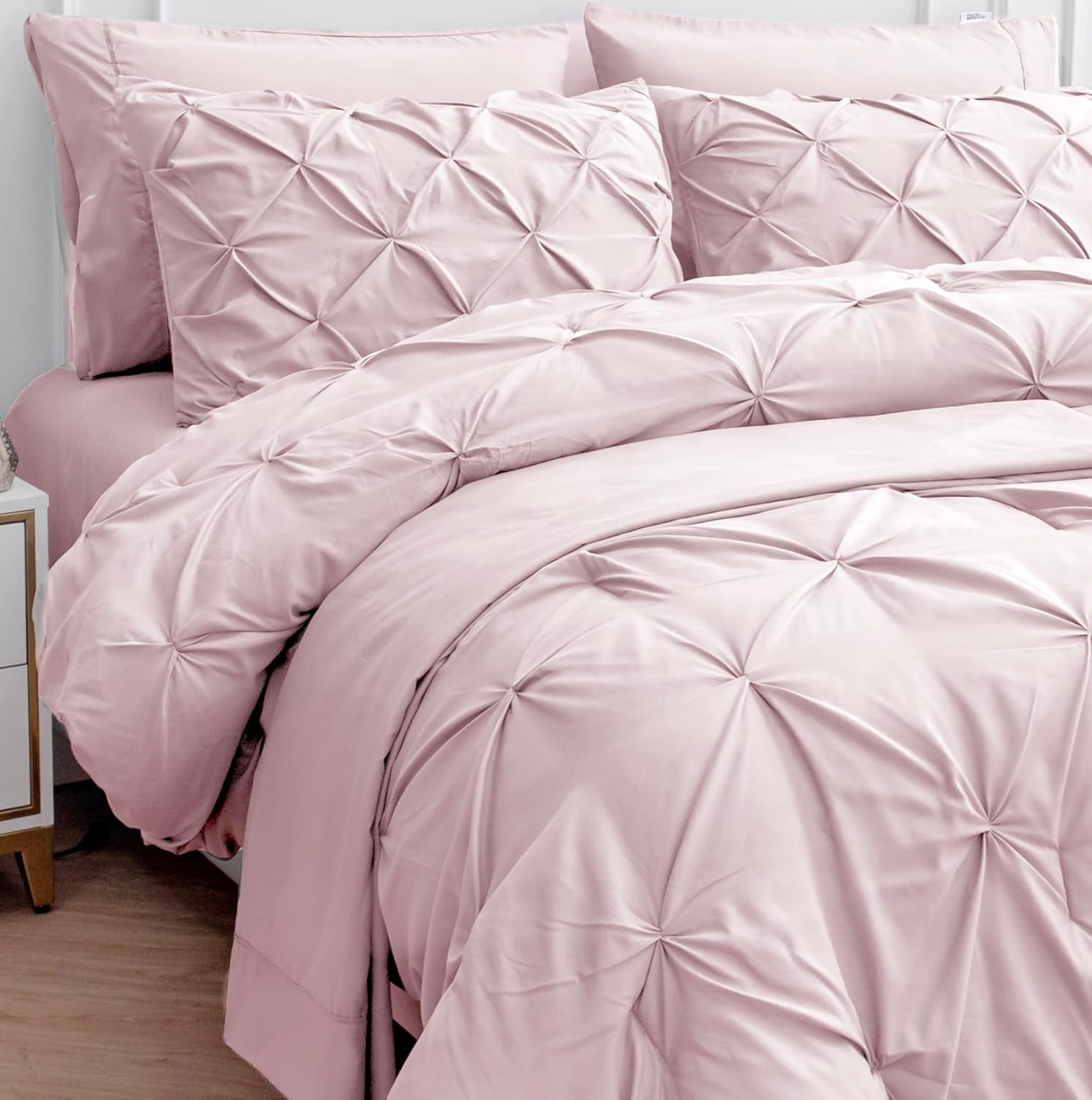
Invest in quality bedding in neutral tones
Keep nightstands clear except for essentials
Use under-bed storage for out-of-season items
Limit wall art to one or two statement pieces
Kitchen
Store appliances in cabinets when not in use
Use uniform containers for pantry organization
Keep countertops clear and functional
Display only your most beautiful dishware
Common Minimalism Mistakes to Avoid
Even with the best intentions, it's easy to miss the mark. Here are the most common pitfalls and how to avoid them.
Going Too Stark
Minimalism doesn't mean sterile. Add warmth with textures, plants, and natural materials. Your space should feel inviting, not cold.
Sacrificing Comfort
Don't choose style over comfort. Your furniture should be both beautiful and functional. A minimalist sofa should still be cozy.
Ignoring Personal Style
Minimalism is a framework, not a strict rulebook. Incorporate pieces that reflect your personality and bring you joy.
Rushing the Process
Take your time curating your space. It's better to live with less while you find the perfect pieces than to fill your home quickly.
Forgetting About Storage
Hidden storage is essential. Without proper organization systems, clutter will creep back in and undermine your minimalist goals.
Essential Minimalist Pieces
Start your minimalist journey with these carefully selected pieces that embody simplicity and functionality.



Your Minimalist Journey Starts Now
Remember, minimalism is a personal journey. There's no perfect formula—only what works best for you and your lifestyle. Start small, be patient with yourself, and enjoy the process of creating a space that truly reflects who you are.
Explore More Style Guides