New Guide: Best Smart Home Devices Under $100 — automate your home without the crazy price tagRead the Guide →
Mixing Textures & Patterns
Master the art of layering different materials and prints to create depth, visual interest, and a designer look that feels collected and intentional.
Why Texture & Pattern Matter
Texture and pattern are the secret ingredients that transform a flat, one-dimensional space into a rich, layered environment that feels lived-in and sophisticated. While color gets most of the attention, it's the interplay of different materials and prints that creates true visual depth.
Think of texture as the tactile quality of surfaces—smooth velvet, rough linen, soft wool, cool leather. Pattern is the visual repetition of shapes, lines, or motifs. When combined thoughtfully, they add complexity and interest without overwhelming the space.
The Benefits of Mixing
- Creates Visual Depth: Layers of texture make spaces feel more dimensional and interesting
- Adds Personality: Patterns express your unique style and make your space memorable
- Enhances Comfort: Soft, varied textures make rooms feel more inviting and cozy
- Balances Minimalism: Even simple spaces benefit from textural variety to avoid feeling sterile
Understanding Texture Types
Different textures evoke different feelings and serve different purposes. Here's how to use them effectively.
Soft & Cozy
Examples:
Perfect for creating warmth and comfort. Use in living rooms, bedrooms, and reading nooks.
Natural & Organic
Examples:
Brings an earthy, grounded feel. Ideal for creating relaxed, casual spaces with character.
Sleek & Modern
Examples:
Adds sophistication and polish. Great for contemporary spaces and creating visual contrast.
Pattern Fundamentals
Geometric Patterns
Stripes, chevrons, hexagons, and other angular patterns. Modern and structured, they work well in contemporary spaces.
Mix different scales
Pair with organic shapes
Use as accent pieces
Organic Patterns
Florals, botanicals, and nature-inspired motifs. Softer and more romantic, perfect for creating relaxed, inviting spaces.
Balance with solids
Layer different florals
Consider scale carefully
Abstract Patterns
Free-form designs, watercolor effects, and artistic patterns. Versatile and expressive, they add personality without being too literal.
Use as statement pieces
Mix with neutrals
Don't overthink it
Traditional Patterns
Damask, toile, paisley, and classic prints. Timeless and elegant, they bring sophistication and heritage to a space.
Mix with modern pieces
Use sparingly
Choose updated colors
The Golden Rules of Mixing
Follow these proven principles to mix textures and patterns like a professional designer.
Vary the Scale
When mixing patterns, use different sizes—one large-scale pattern, one medium, and one small. This creates visual hierarchy and prevents competition.
Stick to a Color Palette
Even with multiple patterns, maintain a cohesive color story. Choose 3-4 colors and ensure all patterns include at least one of these hues.
Balance Busy with Calm
For every bold, busy pattern, include solid colors or subtle textures to give the eye a place to rest. Aim for 60% solids, 40% patterns.
Mix Pattern Types
Combine different pattern styles—pair geometric with organic, or traditional with modern. This creates interest without feeling matchy-matchy.
Layer Textures Thoughtfully
Combine smooth with rough, soft with hard, matte with shiny. Aim for at least 3-5 different textures in each room for depth.
Use the Rule of Three
Group items in odd numbers—three patterned pillows, three textured throws. Odd numbers feel more natural and dynamic than even.
Applying It Room by Room
Living Room
The living room is perfect for experimenting with bold pattern mixing since it's a social space where visual interest is welcome.
Start with a neutral sofa, then add 3-5 patterned pillows in varying scales
Layer a textured throw (chunky knit or faux fur) over the arm
Add a patterned area rug that ties the color palette together
Include smooth surfaces (glass coffee table, metal lamp) for contrast
Bedroom
In the bedroom, focus on creating a cozy, restful environment with softer textures and more subtle pattern mixing.
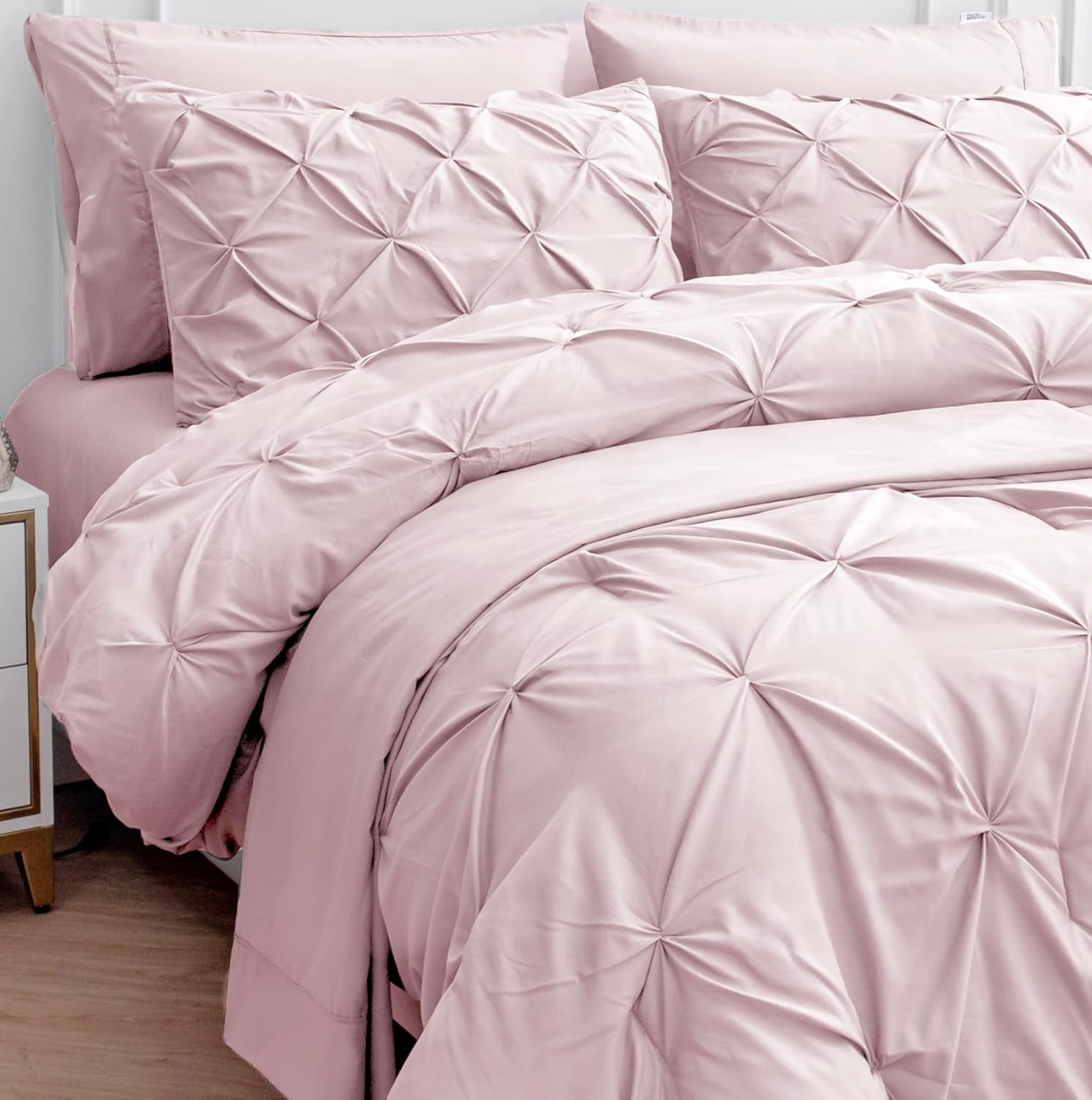
Use solid bedding as your base, then add patterned euro shams
Layer different textures: linen duvet, velvet pillows, cotton sheets
Add a textured throw at the foot of the bed (cable knit or waffle weave)
Include natural textures through jute rug, wood nightstand, woven basket
Dining Room
The dining room offers opportunities for sophisticated texture mixing through table settings and window treatments.
Mix smooth dining chairs with textured seat cushions or upholstery
Layer placemats and table runners in different materials
Combine smooth dinnerware with textured linens (linen napkins, woven placemats)
Add pattern through curtains or a statement light fixture
Mistakes to Avoid
Even experienced decorators can stumble when mixing textures and patterns. Here's what to watch out for.
Using All the Same Scale
If all your patterns are the same size, they'll compete for attention. Always vary the scale—pair a large floral with small geometric and medium abstract.
Too Many Competing Patterns
More than 3-4 patterns in one space can feel chaotic. Choose your favorites and fill in with solids and subtle textures instead.
Ignoring Color Cohesion
Patterns need a common thread. Even if mixing styles, ensure they share at least one or two colors from your palette.
All Smooth or All Rough
A room full of only smooth surfaces feels cold; all rough textures can feel overwhelming. Balance is key—mix sleek with cozy.
Matching Everything Perfectly
Overly coordinated rooms lack personality. Don't buy matching sets—curate pieces that complement rather than match exactly.
Essential Texture & Pattern Pieces
Start building your layered look with these versatile pieces that mix beautifully together.



Start Layering Today
Mixing textures and patterns is an art, not a science. Trust your instincts, experiment fearlessly, and remember that the best spaces evolve over time. Start with one room, add layers gradually, and have fun creating a home that's uniquely yours.
Explore More Style Guides